

In today’s competitive business world, efficiency, speed, and smart decision-making are no longer optional—they are critical for survival. One of the most transformative technologies helping businesses achieve these goals is artificial intelligence (AI). If you’ve ever wondered how AI improves business operations, this guide will walk you through its key benefits, real-life applications, and actionable strategies to implement AI successfully.
Think of AI as your 24/7 digital assistant: it doesn’t sleep, it doesn’t make human errors, and it can process vast amounts of information far faster than any team of employees.
What AI Really Means for Business Operations

AI, or artificial intelligence, refers to computer systems that can mimic human intelligence. This includes tasks like recognizing patterns, making decisions, predicting outcomes, and learning from data over time. In business operations, AI acts as a powerful tool that can streamline workflows, reduce costs, and enhance customer satisfaction.
By integrating AI into daily operations, businesses can:
- Automate repetitive, time-consuming tasks
- Make faster, data-driven decisions
- Improve accuracy and reduce human error
- Enhance customer experiences
- Predict future trends and outcomes
Let’s explore these in detail.
1. Automating Repetitive Tasks
One of the most immediate benefits of AI is automation. Many business operations involve repetitive tasks that consume time and resources. AI can handle these tasks efficiently, giving your team time to focus on strategic initiatives.
Examples of AI Automation:
- Customer Support: AI-powered chatbots can answer frequently asked questions, handle order tracking, and even process basic complaints, freeing human agents for complex queries.
- Accounting and Finance: AI tools can process invoices, reconcile accounts, and even detect fraudulent transactions automatically.
- HR Operations: AI can screen resumes, schedule interviews, and track employee performance without manual effort.
Impact: Businesses can save thousands of labor hours annually while improving accuracy and consistency.
2. Enhancing Data Analysis and Decision-Making
Data is the lifeblood of modern businesses. Every day, companies generate enormous amounts of information—from sales records to customer feedback. AI can analyze this data quickly, uncovering patterns and insights that humans might miss.
Examples:
- Sales Forecasting: AI predicts which products are likely to sell best in the coming months, helping optimize inventory.
- Market Analysis: AI tools can track competitor activity and consumer trends, providing actionable insights for marketing strategies.
- Financial Insights: AI can analyze revenue streams, expense patterns, and cash flow to identify growth opportunities or risks.
Impact: Decisions are faster, more accurate, and based on real-time data rather than gut feeling.
3. Improving Customer Experiences
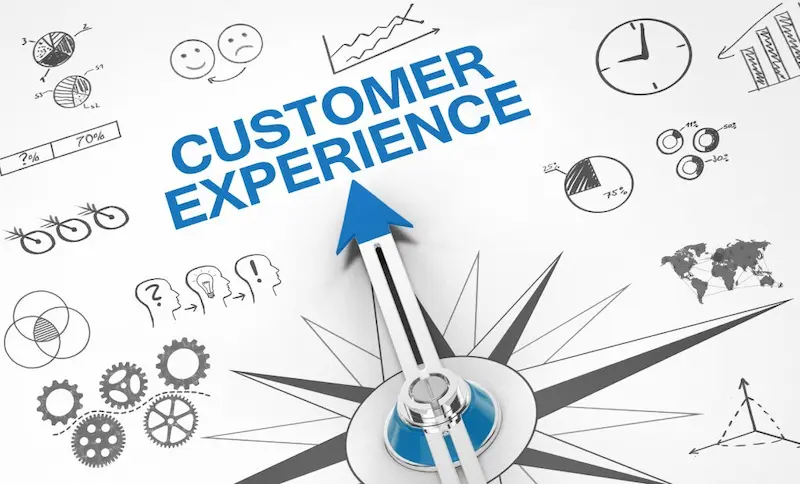
AI excels at understanding customer behavior and personalizing interactions. Today, consumers expect quick, relevant, and personalized experiences—and AI makes this possible.
Examples:
- E-commerce Recommendations: AI suggests products based on browsing history, past purchases, and customer preferences.
- Dynamic Customer Support: AI chatbots can answer questions instantly, route complex issues to humans, and even predict customer needs.
- Targeted Marketing: AI analyzes customer segments to send personalized emails, messages, and ads.
Impact: Higher customer satisfaction, increased loyalty, and improved sales conversion rates.
4. Streamlining Supply Chain and Logistics
Supply chains are complex, with many moving parts that require precise coordination. AI can make supply chains more efficient and resilient by analyzing data, predicting risks, and optimizing operations.
Examples:
- Inventory Optimization: AI predicts demand for products, reducing stock shortages or excess inventory.
- Logistics Optimization: AI algorithms determine the most efficient delivery routes, reducing fuel costs and delivery times.
- Risk Prediction: AI can foresee potential supply disruptions due to weather, transportation issues, or demand spikes.
Impact: Reduced costs, faster delivery, and more reliable operations.
5. Predictive Maintenance and Operational Efficiency
For businesses reliant on machinery or equipment, unplanned downtime can be costly. AI-powered predictive maintenance monitors equipment health and predicts failures before they happen.
Examples:
- Manufacturing plants use AI sensors to track vibration, temperature, and performance of machines.
- Transportation companies use AI to monitor fleet vehicles, scheduling maintenance proactively.
Impact: Less downtime, lower repair costs, and increased productivity.
You may also like to read this:
AI Solutions For Small Business: Boost Growth & Efficiency
Artificial Intelligence Tools For Business | Boost Growth
Best AI Tools For Productivity | Work Smarter With AI
AI Automation Tools For Beginners – Boost Productivity
Practical AI Solutions For Companies | Boost Efficiency
6. Optimizing Marketing, Sales, and Customer Engagement
AI transforms marketing by analyzing customer behavior and automating repetitive tasks, allowing businesses to focus on strategy and creativity.
Examples:
- Lead Scoring: AI evaluates potential leads based on behavior, demographics, and purchase history.
- Ad Optimization: AI adjusts marketing spend in real-time to maximize ROI.
- Content Personalization: AI recommends content and offers tailored to each customer.
Impact: Better marketing performance, higher conversion rates, and improved customer engagement.
7. Risk Management and Fraud Detection
AI can analyze complex datasets to detect anomalies or patterns that may indicate risk or fraud.
Examples:
- Financial institutions use AI to detect fraudulent transactions instantly.
- AI models monitor compliance risks, reducing regulatory penalties.
- Cybersecurity AI detects unusual network activity to prevent data breaches.
Impact: Safer operations, reduced losses, and higher trust from customers and partners.
Benefits of AI in Business Operations
Implementing AI in operations offers multiple benefits:
- Cost Efficiency: Automates repetitive tasks and reduces human errors.
- Time Savings: Accelerates decision-making and daily operations.
- Improved Accuracy: Minimizes mistakes in data-driven tasks.
- Scalability: Supports business growth without proportionally increasing resources.
- Competitive Advantage: Businesses that adopt AI early can outperform competitors.
Challenges to Consider
Despite its benefits, AI implementation comes with challenges:
- Initial Investment: Some AI tools can be costly to integrate.
- Data Dependency: AI systems need high-quality, structured data to perform well.
- Skill Requirements: Staff must be trained to work alongside AI.
- Ethical and Security Concerns: Businesses must protect sensitive data and use AI responsibly.
With proper planning, these challenges can be mitigated, ensuring smooth AI adoption.
Future Trends in AI for Business Operations
AI is not a passing trend—it is shaping the future of business. Emerging trends include:
- Generative AI: Creating content, product designs, or reports automatically.
- Hyper-Personalization: Tailoring every interaction for individual customers.
- AI-Driven Decision Support: Combining human judgment with AI predictions for smarter decisions.
- Integration with IoT: Connecting AI to devices and sensors for real-time insights.
Businesses that embrace these trends will stay ahead of the competition and operate with unmatched efficiency.
FAQs About How AI Improves Business Operations
Q1: Can small businesses implement AI effectively?
Yes. Many SaaS AI tools are affordable and scalable, making AI accessible for small businesses.
Q2: Will AI replace human employees?
AI complements human work by handling repetitive tasks. It allows employees to focus on strategic, creative, or complex tasks.
Q3: How much data does AI require?
While more data improves accuracy, AI can work with small datasets using pre-trained models or cloud-based AI solutions.
Q4: Is AI implementation expensive?
AI costs vary, but cloud-based AI and SaaS solutions allow businesses to start small and scale gradually.
Conclusion
Understanding how AI improves business operations is crucial for businesses that want to stay competitive. From automating repetitive tasks to enhancing data analysis, optimizing supply chains, and improving customer experiences, AI is revolutionizing the way businesses operate.
The key is to start strategically: identify areas where AI can have the most impact, choose the right tools, and ensure your team is ready to work alongside AI. By doing so, businesses of all sizes can boost efficiency, reduce costs, and create smarter, data-driven operations for long-term success.