

In today’s fast-paced business world, understanding customer market trends is no longer optional — it’s essential for survival and growth. But what exactly does it mean? Simply put, it’s the process of observing, analyzing, and interpreting the patterns in customer behavior, preferences, and expectations. By understanding these trends, businesses can make informed decisions, create relevant products, and build strong customer relationships.
This guide is designed to walk you through everything you need to know — from why tracking customer trends matters to how to analyze them and implement actionable strategies.
Why Understanding Customer Market Trends Is Critical

Before diving into the methods, it’s important to understand why monitoring market trends is crucial:
- Predict Customer Behavior: Trends help you forecast what customers are likely to want next. If you spot shifts early, you can adapt faster than competitors.
- Improve Products and Services: Trend insights reveal gaps in the market, helping you design offerings that meet actual customer needs.
- Enhance Marketing Effectiveness: Campaigns that align with current trends tend to resonate more, increasing engagement and conversion rates.
- Reduce Business Risk: Understanding trends allows you to avoid outdated strategies and make decisions backed by real customer insights.
- Build Brand Loyalty: By anticipating what customers want, you show that your brand is in tune with their preferences, fostering trust and loyalty.
In short, tracking trends turns guesswork into strategy.
Key Types of Customer Market Trends
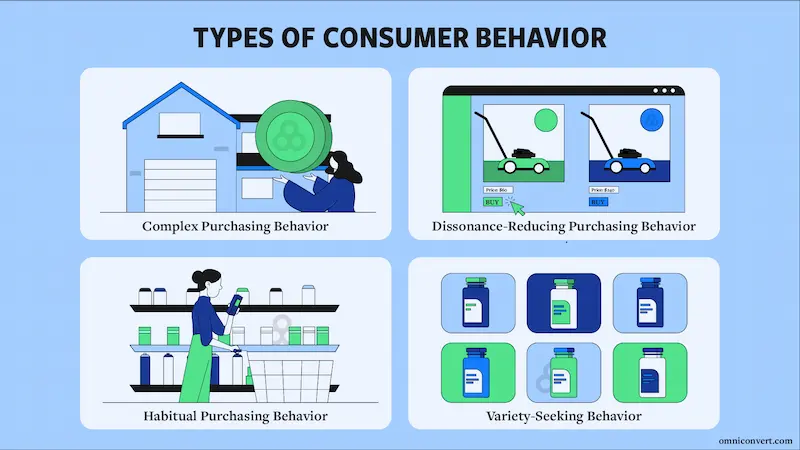
To understand customer behavior comprehensively, it’s useful to categorize trends into a few major types:
1. Consumer Preference Trends
These trends reflect what customers like or dislike, including product features, styles, and experiences. For example, rising demand for plant-based foods or eco-friendly packaging is a consumer preference trend.
2. Behavioral Trends
These trends focus on how customers interact with brands. Examples include the shift from in-store shopping to online shopping or increased engagement on social media platforms.
3. Technological Trends
Technology impacts consumer behavior, and keeping up with tech trends is crucial. Mobile payments, AI-powered recommendations, or voice search usage are examples.
4. Cultural and Lifestyle Trends
Customer choices are influenced by social and cultural movements, such as wellness, sustainability, minimalism, or the remote work lifestyle.
5. Economic and Financial Trends
These trends include changes in customer spending patterns, often driven by factors like inflation, disposable income, or subscription economy adoption.
How to Identify Customer Market Trends
Identifying trends is a mix of data analysis, observation, and intuition. Here’s a step-by-step approach:
Step 1: Analyze Customer Behavior
Look at purchase data, website analytics, and customer engagement metrics. Key indicators include:
- Products that are trending in sales
- Changes in purchasing frequency
- Preferred platforms for interaction
For instance, if your analytics show a surge in mobile app purchases, it indicates a behavioral trend that mobile-first strategies might benefit from.
Step 2: Leverage Social Media
Social media reflects real-time customer interests and conversations.
- Track hashtags, trending topics, and discussions relevant to your industry
- Use social listening tools like Hootsuite, Sprout Social, or Brandwatch to monitor sentiment and feedback
This helps you catch emerging preferences before they become mainstream.
Step 3: Conduct Surveys and Gather Feedback
Direct feedback from customers is invaluable. Methods include:
- Online surveys or polls
- Customer interviews
- Product reviews and ratings
This qualitative data often reveals why customers prefer certain products or behaviors.
Step 4: Monitor Competitors
Your competitors’ moves can signal market shifts:
- Which products are they launching?
- Are they targeting a new customer segment?
- How are their marketing campaigns performing?
This competitive intelligence can guide your own trend-based strategies.
You may also like to read this:
Market Insights For Business Growth: Strategies & Tips
How To Analyze Market Trends – Step-By-Step Guide
Market Research Insights Guide For Smarter Decisions
Business Market Analysis Tips: Expert Guide For Success
Data Driven Market Insights – Boost Business Growth
Step 5: Study Industry Reports
Market research reports, whitepapers, and case studies provide broader insights:
- Industry benchmarks and projections
- Emerging consumer trends across regions
- Macro-level economic or technological shifts
Resources like Statista, Nielsen, IBISWorld, and McKinsey reports are excellent starting points.
Tools and Techniques to Track Customer Trends
To make trend tracking more efficient, consider these tools and techniques:
| Tool/Technique | Purpose |
| Google Trends | Track search interests over time |
| Social Listening Tools | Monitor online conversations and sentiment |
| CRM Analytics | Track purchase history and engagement metrics |
| Surveys & Feedback Platforms | Collect qualitative insights directly from customers |
| Market Research Reports | Access comprehensive industry and consumer trend data |
| Heatmaps & User Behavior Tools | Analyze website engagement patterns |
Using a combination of these tools helps ensure a full understanding of customer preferences and behavior.
Turning Trends Into Actionable Business Strategies
Recognizing trends is only valuable if you act on them. Here’s how:
- Product Innovation: Update existing offerings or develop new ones that align with current trends.
- Example: Launching eco-friendly packaging if sustainability is trending.
- Example: Launching eco-friendly packaging if sustainability is trending.
- Targeted Marketing: Craft campaigns that resonate with trend-driven preferences.
- Example: Highlighting mobile app benefits when customers are shifting to mobile purchases.
- Example: Highlighting mobile app benefits when customers are shifting to mobile purchases.
- Pricing Strategies: Adjust pricing based on trends in consumer spending behavior.
- Example: Offering subscription-based models if recurring revenue is preferred.
- Example: Offering subscription-based models if recurring revenue is preferred.
- Channel Optimization: Ensure your business is present where customers engage most.
- Example: Boost social media presence if online engagement trends are rising.
- Example: Boost social media presence if online engagement trends are rising.
- Customer Experience Enhancements: Improve touchpoints and services based on trends.
- Example: Streamlining checkout processes if convenience is trending.
Challenges in Tracking Customer Trends
While the benefits are clear, there are challenges to be aware of:
- Rapid Changes: Trends can shift quickly, requiring agility in decision-making.
- Data Overload: Large volumes of data can make it difficult to spot actionable insights.
- Short-Lived Fads: Distinguishing between a genuine trend and a passing fad requires careful analysis.
- Bias in Feedback: Surveys and social media monitoring may not capture the entire customer base.
Overcoming these challenges requires consistent monitoring, cross-functional collaboration, and combining multiple data sources.
FAQs About Understanding Customer Market Trends
Q1: How often should businesses monitor customer trends?
Trends should be monitored continuously, with monthly reviews for behavioral insights and quarterly in-depth analysis for strategic planning.
Q2: Can small businesses benefit from trend analysis?
Yes! Smaller businesses can pivot faster than large corporations, making trend insights extremely valuable for gaining a competitive edge.
Q3: What’s the difference between a trend and a fad?
A trend indicates a long-term shift in behavior, while a fad is a short-term spike in interest that fades quickly.
Q4: How can teams contribute to trend spotting?
Encourage collaboration across marketing, sales, and customer support. Frontline employees often notice shifts in customer preferences first.
Q5: Are online tools enough to track trends?
Online tools provide valuable data, but combining them with direct feedback, surveys, and market research gives a more complete view.
Final Thoughts
Mastering understanding customer market trends gives your business a strategic advantage. It’s not just about observing numbers — it’s about interpreting insights and taking informed action. By combining data analysis, social listening, customer feedback, and market research, you can anticipate needs, enhance customer experiences, and innovate effectively.
The key is to stay proactive, agile, and attentive to your customers’ evolving preferences. Businesses that embrace trend analysis can navigate uncertainty, maximize growth, and build lasting customer loyalty.