
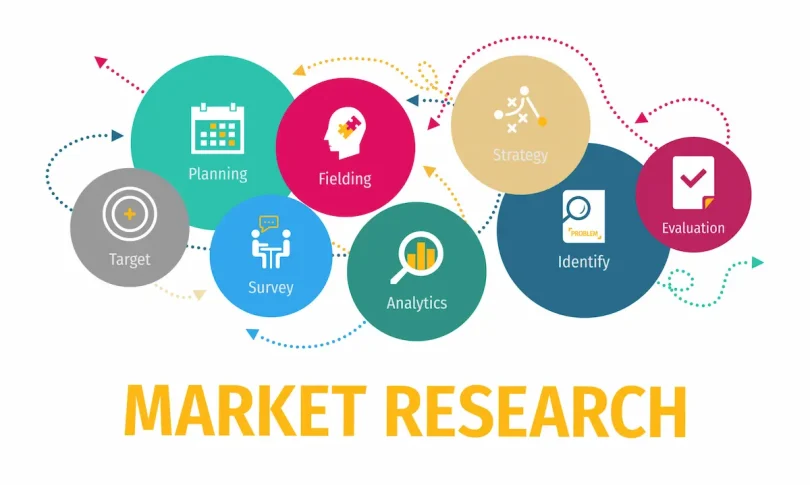

In today’s competitive business environment, guessing what your customers want can lead to costly mistakes. That’s why using a market research insights guide is essential. This guide helps you collect, analyze, and interpret data so that you can make informed decisions, improve products, and stay ahead of competitors. Think of it as a roadmap for understanding your audience, spotting trends, and identifying growth opportunities—all backed by reliable information.
Whether you’re a startup trying to find your niche or an established business looking to expand, a well-structured market research insights guide can be a game-changer. Let’s break down how to get the most value out of it.
What Are Market Research Insights?
Market research insights are actionable conclusions drawn from data about your market, competitors, and customers. Unlike raw numbers, insights help you understand the why behind trends. For example:
- Raw data: 70% of your customers are under 35.
- Insight: Customers under 35 prefer mobile-first experiences, so a mobile app or optimized mobile website could boost engagement.
By converting data into insights, you can make strategic decisions rather than relying on guesswork.
Why Market Research Insights Matter
A market research insights guide is vital because it allows businesses to:
- Understand Customer Behavior – Learn what motivates your audience, what problems they face, and how they make purchase decisions.
- Identify Market Trends – Spot new opportunities before competitors do.
- Reduce Business Risks – Validate ideas before launching products or campaigns.
- Improve Products and Services – Tailor offerings to what your customers really need.
- Gain Competitive Advantage – Analyze competitors’ strategies and spot gaps in the market.
Without insights, decisions are based on assumptions, which can be risky in a rapidly changing marketplace.
Types of Market Research
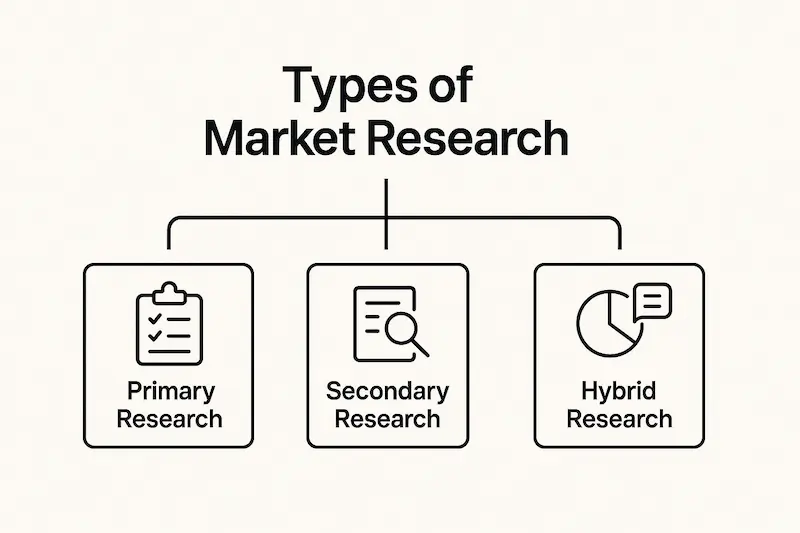
To gain meaningful insights, it’s important to understand the two main types of market research:
1. Primary Research
This involves collecting data directly from your audience. Methods include:
- Surveys & Questionnaires – Quick way to gather opinions and preferences.
- Focus Groups – In-depth discussions that reveal emotions and motivations.
- Interviews – One-on-one conversations to explore ideas in detail.
- Observation – Watching how customers interact with products or services.
Primary research provides customized insights specific to your business goals.
2. Secondary Research
This is analyzing data that already exists, including:
- Industry Reports – Insights into market size, trends, and forecasts.
- Competitor Analysis – Understanding what others in your market are doing well.
- Public Data & Statistics – Government or trade association databases.
- Social Media & Online Analytics – Trends in engagement, hashtags, or mentions.
Secondary research is often faster and cheaper but may need to be combined with primary research for deeper understanding.
Steps to Create an Effective Market Research Insights Guide
Here’s a step-by-step approach you can follow:
Step 1: Set Clear Goals
Start with the question: What do I want to achieve?
Are you trying to:
- Understand your target audience better?
- Test a new product idea?
- Improve marketing campaigns?
- Monitor competitors?
Clear goals make your research focused and actionable.
Step 2: Identify Your Target Audience
You need to know who you’re researching. Segment your audience by:
- Demographics (age, gender, location)
- Psychographics (interests, lifestyle, values)
- Behavior (buying habits, product usage)
This ensures your insights are relevant and meaningful.
Step 3: Choose Your Research Methods
Decide whether you will use:
- Primary research for customized data
- Secondary research for broad market trends
- Or a combination of both
Different goals may require different methods.
Step 4: Collect Data
Gather information using the tools and methods you selected:
- Online surveys (Google Forms, SurveyMonkey)
- Social media listening (Hootsuite, Sprout Social)
- Analytics platforms (Google Analytics, SEMrush)
- Industry publications (Statista, Nielsen reports)
Ensure your data is accurate, recent, and relevant.
Step 5: Analyze and Interpret Data
This is where raw numbers become actionable insights:
- Look for patterns and trends.
- Compare your findings with competitors.
- Identify opportunities and gaps.
- Use visualization tools like Excel, Tableau, or Power BI to simplify analysis.
Step 6: Take Action
Insights are useless if they’re not applied. Turn findings into strategies:
- Refine your marketing campaigns based on customer preferences.
- Launch or adjust products that meet identified needs.
- Enhance customer service using feedback data.
- Explore new market segments highlighted by research.
You may also like to read this:
BI Reporting Tools For Business: Boost Decisions Fast
Simple Business Intelligence Software For Easy Data Analysis
Top BI Dashboards For Data Analysis & Business Insights
Market Insights For Business Growth: Strategies & Tips
How To Analyze Market Trends – Step-By-Step Guide
Tools to Simplify Market Research
Here are some practical tools to make your research easier:
- Google Trends – Identify what people are searching for in your industry.
- SurveyMonkey & Typeform – Conduct surveys and collect responses.
- Statista – Access in-depth industry data and reports.
- SEMrush & Ahrefs – Analyze competitors and keywords.
- Social Listening Tools – Track brand mentions and trends on social media.
These tools help turn large datasets into clear, actionable insights.
Common Mistakes to Avoid
Even with a well-planned research guide, businesses often make mistakes:
- Ignoring Data Quality – Poor data leads to unreliable insights.
- Skipping Analysis – Raw data without interpretation is useless.
- Failing to Act on Insights – Collecting insights without implementing them wastes resources.
- Relying Solely on Assumptions – Always validate ideas with actual data.
- Overlooking Emerging Trends – Small shifts in behavior can signal major opportunities.
Real-Life Example of Market Research Insights
Let’s say you run an online fashion store. By using a market research insights guide:
- Surveys show your customers prefer sustainable clothing.
- Social media analysis reveals rising interest in eco-friendly brands.
- Competitor analysis highlights that few local stores offer organic fabrics.
Insight: Launch a sustainable clothing line with targeted eco-conscious marketing campaigns. This reduces risk, attracts your audience, and differentiates your brand.
Conclusion
A market research insights guide is your business’s roadmap to success. It turns raw data into meaningful insights that inform smarter decisions, reduce risks, and help you stay ahead of the competition. By understanding your customers, analyzing trends, and learning from competitors, you can transform your business strategy from guesswork to precision-driven actions. Remember, the value lies not just in collecting data, but in using it to take informed action that drives growth.
FAQs About Market Research Insights Guide
1. What is a market research insights guide?
A market research insights guide is a structured approach to collecting, analyzing, and interpreting data about your target market, customers, and competitors. It helps businesses make informed decisions, spot trends, and identify growth opportunities.
2. Why are market research insights important?
Insights from market research allow you to understand customer behavior, reduce risks, and improve products or services. They give your business a competitive advantage by highlighting opportunities and informing strategy.
3. What’s the difference between primary and secondary research?
Primary research involves collecting data directly from your audience through surveys, interviews, focus groups, or observations.
Secondary research uses existing data from industry reports, competitor analysis, public databases, and online analytics.
4. How do I collect market research data effectively?
Start by defining your goals and identifying your target audience. Use tools like surveys, social media monitoring, and analytics platforms to gather data. Ensure the data is accurate, recent, and relevant for meaningful insights.
5. Which tools are best for market research insights?
Some popular tools include:
Google Trends – Track search interests and emerging topics.
SurveyMonkey / Typeform – Collect survey responses.
Statista – Access industry and market reports.
SEMrush / Ahrefs – Analyze competitors and keyword trends.
Social Listening Tools – Monitor social media conversations.