
If you’re wondering how to analyze market trends, you’ve already taken the first step toward smarter decision-making. Whether you’re an entrepreneur, investor, marketer, or someone just curious about business, understanding market trends can give you a huge advantage. It’s not just about numbers—it’s about spotting opportunities, understanding customer behavior, and predicting the direction of your market before everyone else does.
In this guide, we’ll break down everything you need to know, step by step, with examples that make it easy to apply.
What Are Market Trends?
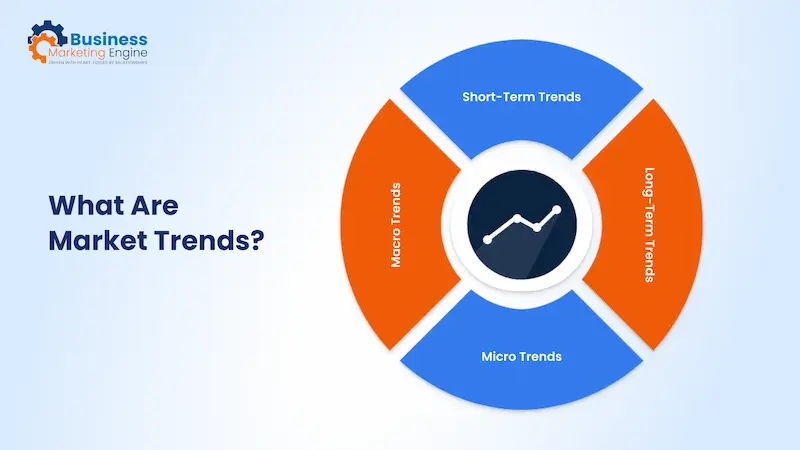
Market trends are patterns or movements in a market over a certain period. They indicate how products, services, or industries are performing and where they are likely headed.
- Upward trends – Show growth or increasing demand. For example, the growing popularity of electric vehicles is an upward trend.
- Downward trends – Indicate declining interest or sales. For instance, traditional DVDs have been in a downward trend for years due to streaming services.
- Sideways or stable trends – The market isn’t growing or declining, often meaning saturation, like the soft drink market in certain countries.
Trends can be short-term (weeks or months), seasonal (holiday shopping spikes), or long-term (years or decades). Understanding these helps you make informed decisions.
Why Analyzing Market Trends Is Crucial
You might be asking, “Why should I care about trends?” Here’s why:
- Better Decision-Making: Trends guide your business or investment strategies. If the demand for eco-friendly products is rising, launching such a product aligns with the market.
- Competitive Advantage: Spotting a trend early allows you to capitalize before your competitors.
- Risk Management: Identifying declining markets prevents investments in products or services with shrinking demand.
- Customer Insight: Trends reflect what your customers want and need, giving you a chance to adapt proactively.
In short, analyzing market trends helps turn uncertainty into actionable insights.
Step-by-Step Guide: How to Analyze Market Trends

1. Collect Market Data
The first step is gathering reliable data. Your analysis is only as good as your data.
Sources include:
- Government reports: Economic indicators, industry statistics, and census data.
- Market research firms: Nielsen, Statista, IBISWorld, or Euromonitor provide detailed reports.
- Financial news outlets: Bloomberg, Reuters, and CNBC often share market insights and trend analyses.
- Social media and surveys: Platforms like Instagram, TikTok, and LinkedIn provide insights into trending products and consumer opinions.
Example: If you’re analyzing trends in online gaming, tracking Steam statistics, app store downloads, and gaming forums can reveal emerging patterns.
2. Identify the Trend Type
Once you have the data, determine the direction of the trend:
- Upward trends – Are sales, searches, or mentions increasing consistently?
- Downward trends – Are interest or purchases decreasing?
- Stable trends – Minimal changes over time.
Example: Electric scooters are an upward trend in urban mobility, while traditional taxis face a downward trend in some cities.
3. Use Analytical Tools
Tools make analyzing trends easier and more accurate.
Essential tools:
- Excel or Google Sheets: Create line charts, pivot tables, and trendlines.
- Google Trends: Shows search interest over time.
- Social media analytics: Track engagement, hashtags, and audience growth.
- Business Intelligence (BI) tools: Tableau, Power BI, and Looker can visualize data and reveal hidden patterns.
Tip: Combine tools for better insights—for instance, Google Trends + social media mentions can show real-world interest and online buzz.
4. Monitor Competitors
Your competitors’ actions often reflect market shifts. Keep an eye on:
- Product launches
- Pricing changes
- Marketing campaigns
- Customer feedback
Example: If several competitors start offering AI-powered features, it’s a sign that AI adoption is a growing trend in your industry.
5. Analyze Consumer Behavior
Customers are trend indicators. Look at:
- Purchasing patterns: Which products sell fastest?
- Online searches: What keywords are trending in your niche?
- Social sentiment: Are people discussing products positively or negatively?
Example: Rising searches for “plant-based milk” over the past 5 years indicate a growing trend toward vegan or lactose-free alternatives.
6. Forecast Future Trends
Once you’ve gathered and analyzed data, you can attempt to predict where the market is headed. Techniques include:
- Trend lines: Plot historical data to see future directions.
- Regression analysis: Use statistics to estimate future outcomes based on past trends.
- Scenario planning: Consider different possibilities (best-case, worst-case, most likely).
Example: A fashion retailer could use seasonal sales data and social media trends to forecast which styles will be popular next season.
7. Stay Flexible and Adapt
Markets are dynamic. A trend can change overnight due to technology, economic shifts, or global events. Regularly review your analysis and be ready to adjust your strategies.
Pro Tip: Schedule monthly or quarterly trend reviews to stay updated.
You may also like to read this:
How To Use BI Tools: Beginner’s Step-By-Step Guide
BI Reporting Tools For Business: Boost Decisions Fast
Simple Business Intelligence Software For Easy Data Analysis
Top BI Dashboards For Data Analysis & Business Insights
Market Insights For Business Growth: Strategies & Tips
Practical Tips for Effective Market Trend Analysis
- Validate trends using multiple sources to reduce errors.
- Focus on industry-specific metrics instead of generic ones.
- Use historical data to identify patterns and seasonality.
- Watch emerging technologies and innovations—they often signal new trends.
- Combine numbers with insights—qualitative data like customer opinions is equally important.
Common Mistakes to Avoid
- Relying on a single data source – This can create a skewed view.
- Ignoring small trends – Micro-trends can evolve into major market shifts.
- Assuming trends last forever – Some fads fade quickly.
- Overcomplicating analysis – Sometimes simple charts reveal the clearest insights.
Conclusion
Learning how to analyze market trends is essential for anyone who wants to stay ahead in business or investing. By collecting reliable data, understanding the type of trends, using analytical tools, monitoring competitors, analyzing customer behavior, forecasting intelligently, and staying flexible, you can turn raw information into strategic decisions.
Start practicing with small data sets today, and over time, trend analysis will become a natural and invaluable part of your business toolkit.
FAQs: How to Analyze Market Trends
Q1: How often should I analyze market trends?
A1: Ideally, monthly or quarterly. Fast-moving industries like tech may require weekly monitoring.
Q2: Can small businesses benefit from trend analysis?
A2: Absolutely. Even simple trend analysis can guide product launches and marketing strategies.
Q3: What’s the difference between a trend and a fad?
A3: A trend lasts over time and impacts the market meaningfully. A fad is short-lived and often temporary.
Q4: What tools are best for beginners?
A4: Google Trends, Excel, and basic social media analytics are great starting points.