
In the modern business world, relying solely on intuition or gut feelings is no longer enough to stay competitive. Businesses today are surrounded by massive amounts of data, and the key to success lies in turning that raw data into meaningful data driven market insights. These insights help companies understand their customers better, anticipate market trends, and make smarter, evidence-based decisions.
Whether you’re a small startup or an established corporation, leveraging data driven market insights can transform your strategy and boost growth. Let’s explore this concept in depth and see how you can apply it effectively.
What Are Data Driven Market Insights?
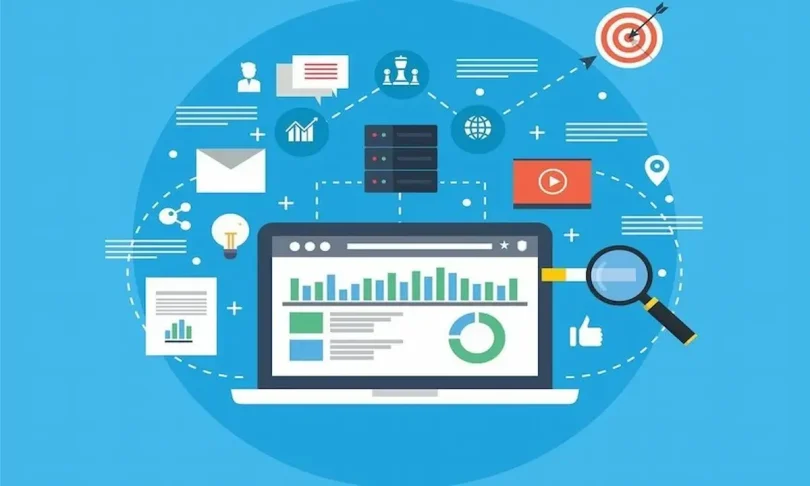
At its core, data driven market insights are actionable pieces of information derived from analyzing data related to your market, customers, and competitors. Unlike traditional methods that relied heavily on opinion or past experience, this approach uses factual evidence to guide decisions.
For example, instead of guessing which product features your customers prefer, you analyze sales data, website interactions, and customer feedback to identify patterns. This provides a clear roadmap for product development, marketing strategies, and customer engagement.
Why Data Driven Market Insights Are Essential
- Enhanced Decision-Making:
With insights grounded in real data, decisions are no longer guesses. For instance, if analytics show that 70% of your customers abandon their carts during checkout, you can investigate the issue and optimize the process, rather than just hoping changes will help. - Identifying New Opportunities:
By analyzing market trends and competitor behavior, you can uncover gaps in the market. For example, data might reveal an underserved segment in your industry, enabling you to launch products that meet this demand. - Improving Customer Experience:
Customers today expect personalized experiences. Insights from data allow you to segment your audience, predict buying behavior, and tailor communications that resonate, building loyalty and satisfaction. - Risk Mitigation:
Data reduces uncertainty. For instance, predictive analytics can alert you to potential market shifts or competitor moves, allowing you to adjust strategy before a problem becomes critical. - Optimizing Marketing and Sales:
Marketing campaigns based on insights perform significantly better. Knowing which channels, messages, and products resonate with specific audiences ensures a higher ROI.
How to Collect Data for Market Insights
Collecting the right data is the foundation for actionable insights. Here’s a comprehensive approach:
- Customer Surveys and Feedback:
Direct feedback from your audience provides qualitative insights. Surveys can uncover pain points, satisfaction levels, and desired improvements. - Website and Social Analytics:
Tools like Google Analytics, Facebook Insights, and Instagram Analytics reveal user behavior, engagement patterns, and content performance. - Sales and Transaction Data:
Tracking purchases, repeat customers, and product popularity gives concrete evidence of market demand. - Competitor Analysis:
Study your competitors’ offerings, pricing strategies, and marketing tactics to identify strengths, weaknesses, and potential opportunities. - Industry Reports and Market Research:
Reports from reputable sources like Nielsen, Statista, or IBISWorld provide a macro-level view of industry trends and projections.
Turning Data into Actionable Insights
Raw data is only valuable when it’s analyzed and applied strategically. Here’s a step-by-step approach:
- Data Cleaning:
Ensure your data is accurate, complete, and relevant. Remove duplicates, correct errors, and standardize formats. - Data Analysis:
Look for patterns, correlations, and trends. Tools like Tableau, Power BI, and Excel allow you to process large datasets efficiently. - Visualization:
Present insights in easy-to-understand formats like charts, graphs, or dashboards. Visualization helps stakeholders grasp the story behind the numbers quickly. - Actionable Strategy:
Convert insights into concrete actions. For example:
- Adjust product features based on user preferences.
- Launch marketing campaigns targeting high-engagement demographics.
- Reallocate resources to underperforming areas identified by data.
- Adjust product features based on user preferences.
You may also like to read this:
Top BI Dashboards For Data Analysis & Business Insights
Market Insights For Business Growth: Strategies & Tips
How To Analyze Market Trends – Step-By-Step Guide
Market Research Insights Guide For Smarter Decisions
Business Market Analysis Tips: Expert Guide For Success
Tools to Harness Data Driven Market Insights
Here are some tools that can help you gather, analyze, and visualize data effectively:
- Google Analytics: Tracks website performance and user behavior.
- HubSpot: Offers CRM and marketing analytics for better customer insights.
- Tableau: Helps create interactive dashboards for deep analysis.
- Power BI: Allows advanced business intelligence reporting for large datasets.
- SEMrush & Ahrefs: Provide competitor and SEO insights to refine strategy.
Using these tools ensures that insights are not just accurate but also actionable.
Common Challenges and How to Overcome Them
Even with a data-driven approach, businesses face challenges. Here’s how to address them:
- Data Overload:
Focus on metrics that directly impact your objectives. Avoid drowning in irrelevant information. - Poor Data Quality:
Ensure the data you collect is accurate and relevant. Regular audits can prevent errors. - Ignoring Context:
Numbers alone don’t tell the whole story. Combine quantitative data with qualitative research for a holistic view. - Delayed Decision-Making:
Insights are valuable only if acted upon promptly. Create systems for quick analysis and implementation.
Real-World Examples of Data Driven Market Insights
- Netflix:
Uses viewing patterns and user preferences to recommend content, optimize production budgets, and decide which shows to renew or cancel. - Amazon:
Analyzes purchase behavior, browsing history, and product reviews to personalize recommendations and improve customer experience. - Starbucks:
Leverages location data and customer feedback to open new stores in high-demand areas and launch targeted promotions.
Final Thoughts
Adopting data driven market insights is no longer optional—it’s essential for businesses that want to thrive in competitive markets. By collecting the right data, analyzing it effectively, and turning it into actionable strategies, you can make informed decisions, improve customer satisfaction, and uncover new growth opportunities.
Start small, focus on the most relevant data, and gradually expand your analytics capabilities. Over time, your business will move from reactive decision-making to proactive, insight-driven strategies that drive long-term success.
FAQs About Data Driven Market Insights
1. What are data driven market insights?
Answer: Data driven market insights are actionable conclusions derived from analyzing data related to your customers, competitors, and market trends. Instead of guessing, businesses use actual data to guide decisions, optimize strategies, and uncover growth opportunities.
2. Why are data driven market insights important for businesses?
Answer: They help businesses make informed decisions, reduce risks, identify new opportunities, improve customer experience, and optimize marketing and sales strategies. Companies leveraging insights are more likely to stay competitive and grow sustainably.
3. What types of data are used for market insights?
Answer: Common data sources include:
Customer surveys and feedback
Website and social media analytics
Sales and transaction records
Competitor analysis
Industry reports and market research
Combining these sources provides a complete understanding of the market.
4. How can small businesses benefit from data driven insights?
Answer: Even small businesses can use data to:
Identify their best-performing products or services
Understand customer preferences and buying habits
Target marketing campaigns effectively
Find gaps in the market and expand strategically
Small businesses don’t need huge datasets—just the right data and proper analysis.
5. Which tools are best for analyzing market data?
Answer: Some popular tools include:
Google Analytics: For website performance and visitor behavior
HubSpot: For CRM and marketing analytics
Tableau: For interactive dashboards and visualizations
Power BI: For advanced business intelligence reporting
SEMrush / Ahrefs: For competitor and SEO insights
These tools help transform raw data into actionable insights.